Sustainable Home Renovation Tips for a Greener, Warmer House
The greenest renovation is often the one that wastes least. Practical, budget-aware ways to make an older home warmer and lighter on the planet.
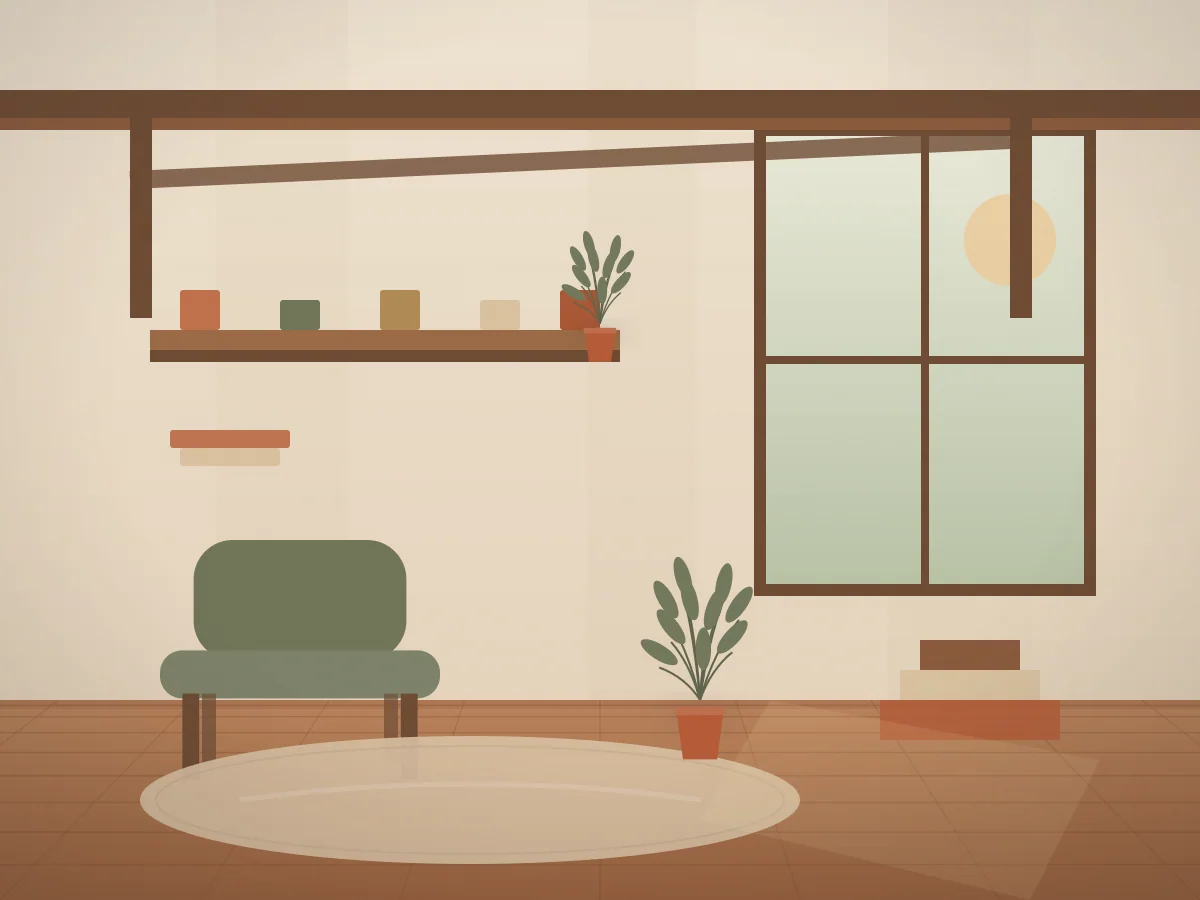
The most sustainable renovation is rarely the one with the most new technology. It is the one that keeps what already works, improves the building fabric and chooses materials that can be repaired rather than replaced. For older homes, that often means going back to principles the builders knew: insulate, ventilate, let materials breathe and avoid waste.
Key takeaways
- Improve the building fabric before adding renewables or new heating systems.
- Prioritise insulation, draught-proofing and windows; they deliver comfort immediately.
- Choose breathable materials for older walls and avoid trapping moisture.
- Reuse, reclaim and repair before specifying new.
Plan before you demolish
The first step is a survey, not a skip. Find out what is structurally sound, what contains asbestos and what could be repaired. A good builder and a building surveyor can save you money by identifying what does not need replacing. Photograph everything before work starts; original details are difficult to recreate.
Decide what you actually need. An extra bedroom may be less valuable than a warm, well-insulated house with a better kitchen. Every square metre you build has a carbon cost before it is even occupied. If the existing footprint works, focus the budget on performance and finish rather than extension.
Start with the building fabric
Insulate, then ventilate
Insulation is usually the most cost-effective improvement, but the right type depends on the construction. Solid brick walls need a breathable approach; a sealed internal insulation board can trap moisture and cause damp. Lime plaster, wood fibre, cork and mineral wool allow vapour to move. In a cavity wall, a reputable installer should inspect the cavity first; not every wall is suitable.
Draught-proofing is cheap and immediate. Seal around windows and doors, fit chimney balloons when the fire is not in use, and close gaps under skirting boards. Ventilation must still be maintained, especially in kitchens and bathrooms; a house that is airtight without ventilation will develop condensation and poor air quality.
| Measure | Impact | Typical payback | Notes |
|---|---|---|---|
| Loft insulation | High | 2–5 years | Easy DIY if access is safe |
| Draught-proofing | High | Under 2 years | Start here before expensive upgrades |
| Double or secondary glazing | Medium–high | 10–20 years | Repair original frames where possible |
| Solid wall insulation | High | 15–25 years | Use breathable materials; plan detailing |
| Heat pump | High | 10–15 years | Best after fabric improvements |
| Solar panels | Medium | 8–12 years | Consider roof orientation and export tariff |
Payback figures are indicative and depend on energy prices, the condition of the house and how you use it. Comfort and carbon reduction matter too; a warmer house with lower bills is often worth more than a strict financial calculation suggests.
Let old walls breathe
Older solid walls manage moisture by allowing it to evaporate. Cement render, plastic paint and impermeable insulation can trap water, leading to damp patches, frost damage and mould. Use lime-based render and plaster, breathable paints and natural insulation where appropriate. These materials are often more expensive than cement, but they protect the structure and last longer when detailed correctly.
Check that any new work sheds water away from the walls: gutters, downpipes, plinths and paving all matter. A damp wall is often a drainage problem rather than a missing damp-proof course. Fix the water source before applying a sealant or a new finish.
Reuse what you can
Reclaimed bricks, tiles, timber and sanitaryware can add character and reduce embodied carbon. Terracotta tiles can often be lifted and relaid; old doors can be repaired; cast-iron radiators can be refurbished. The challenge is planning: reclaimed materials arrive in uncertain quantities and need space to be stored and sorted.
If you are buying new, choose materials with a clear provenance and a realistic end-of-life plan. FSC-certified timber, recycled-content insulation, low-VOC paints and durable natural stone are good starting points. Avoid composite products that cannot be separated or repaired, even if they are marketed as green.
Design for low energy use
A fabric-first order of work
- Use the sun: open curtains in winter, shade south-facing glass in summer.
- Install thermostatic radiator valves and zone the heating.
- Choose LED lighting with warm colour temperatures.
- Specify appliances with a high energy rating and a long warranty.
- Consider a heat pump only after insulation and draught-proofing.
- Collect rainwater for the garden if local rules allow.
The retrofit plan
Write a five-year plan before starting. Insulate the loft and draught-proof now, improve windows and walls when the rooms are next decorated, and upgrade heating when the boiler needs replacing. Doing the work in the right order avoids paying twice.
Manage waste on site
Ask your builder for a waste management plan before work begins. Separate timber, metal, rubble and packaging so as much as possible can be recycled. Avoid skip hire for small jobs by using a licensed waste carrier and getting a waste transfer note. Keep a small store of reusable materials — tiles, timber offcuts, bricks — for future repairs.
Order accurately to reduce offcuts and returns. If you are buying tiles, order the extra 10–15 per cent you need for cuts, but keep the surplus for repairs rather than discarding it. The same applies to paint: a labelled tin of the wall colour is invaluable two years later.
A slower, better renovation
Sustainable renovation is not a single product or a badge. It is a series of decisions about what to keep, how to build and how long the result will last. A well-insulated room with reclaimed floorboards, breathable plaster and second-hand furniture can be greener than a new extension full of certified products. Start with the fabric, choose materials you can repair, and let the house breathe.
For material-specific advice, see our guides to solid wood furniture, terracotta flooring and Mediterranean kitchens. If you are planning a garden room or courtyard, the courtyard guide covers drainage and planting.