Terracotta Tiles: The Complete Flooring Guide for Warm Homes
Terracotta is beautiful, forgiving and full of character. Here is everything to know about choosing, sealing and living with it.
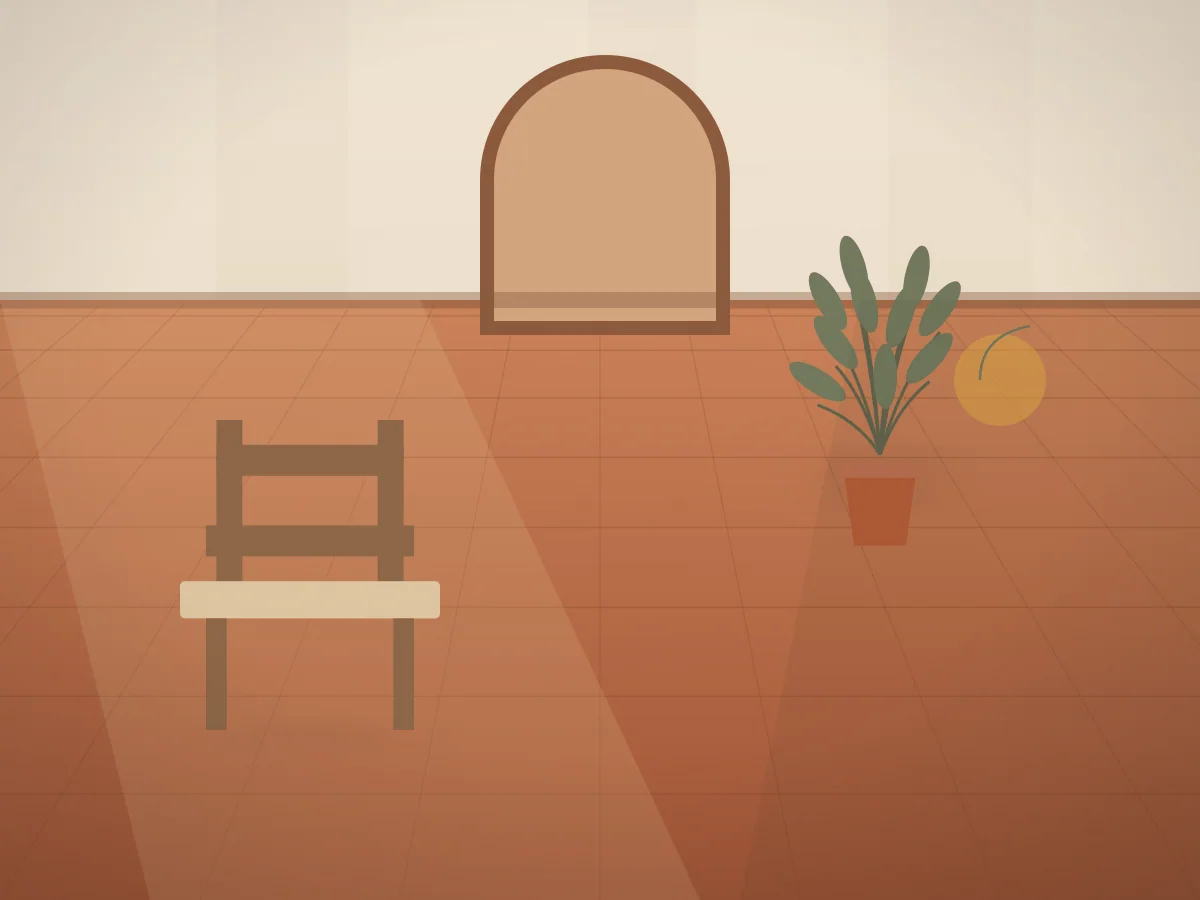
Few materials carry as much Mediterranean character as terracotta. The colour shifts from apricot to deep rust, the surface softens underfoot and every tile carries the small irregularities of a handmade object. It is also one of the most misunderstood floors in renovation, sold as either a maintenance nightmare or a cheap shortcut. The truth is more useful: terracotta is a forgiving, repairable floor if you choose the right type and seal it for the way you actually live.
Key takeaways
- Choose the tile type before you choose the pattern; handmade, reclaimed and porcelain lookalikes behave very differently.
- Seal terracotta properly and expect to top up the seal every few years.
- Test underfloor heating compatibility with the specific tile and adhesive.
- Buy 10–15% extra for cuts, breakages and future repairs.
Why terracotta still works
Terracotta is fired clay, usually unglazed, which means it is porous and warm in colour. It takes the edge off a cool room and looks better as it ages. Unlike polished porcelain, it can be sanded and re-oiled, and individual tiles can be lifted and replaced. That repairability matters in a busy kitchen or hallway where a single chipped tile would otherwise mean replacing the whole floor.
The material also has a low embodied energy compared with many engineered surfaces, particularly when it is reclaimed or locally produced. It is not indestructible — it chips, stains and can crack if the subfloor moves — but it is honest about its age, which is part of its charm.
Know the types before you buy
| Type | Character | Best for | Considerations |
|---|---|---|---|
| Handmade cotto | Soft colour variation, irregular edges | Living rooms, kitchens, period homes | Needs sealing; higher cost |
| Reclaimed | Genuine patina, mixed sizes | Characterful renovations | Limited stock; check for damage and salts |
| Saltillo | Earthy red, rustic surface | Informal floors, garden rooms | Very porous; heavy sealing required |
| Porcelain lookalike | Uniform colour, easy maintenance | Bathrooms, underfloor heating, rentals | Less patina; grout lines still need care |
If you want the look with minimal upkeep, a matt porcelain tile with a terracotta-effect glaze is a sensible compromise. It will not develop the same patina, but it is frost-resistant, waterproof and much easier to clean. Use it in bathrooms and utility areas even if the main living spaces use genuine clay.
Sealing and maintenance
Penetrating sealer or surface wax?
Most terracotta needs to be sealed. An impregnating sealer penetrates the clay and reduces staining; a surface sealer or wax adds a sheen and further protection. For kitchens and hallways, a penetrating sealer followed by a maintenance wax is a good balance. For bathrooms, use a sealer rated for wet areas and make sure the floor falls correctly to the drain.
New tiles should be completely dry before sealing. Apply thin coats rather than one heavy layer, and buff off excess before it dries. Reapply according to the manufacturer and the traffic in the room — often every 2–4 years. Clean with a pH-neutral cleaner and avoid harsh acids, which can eat into both the clay and the seal.
Test first
Before sealing the whole floor, test the product on a spare tile or an offcut. Some sealers darken terracotta significantly; others leave a patchy finish if the tile is unevenly absorbent.
Patterns that suit Spanish homes
Simple grids age best
Square tiles laid in a simple grid are the most traditional choice and the most forgiving in small rooms. A herringbone or basketweave pattern adds movement but uses more cuts and increases labour. If you are using reclaimed tiles with slight size variation, keep the pattern simple and use a wider grout joint to accommodate the irregularities.
Border tiles, sometimes called cenefas, can frame a room or define a walkway. Use them sparingly; a single border around a kitchen or hallway is usually enough. In a bathroom, a band of patterned tiles at eye level can add interest without covering every surface.
What about underfloor heating?
Check the subfloor first
Terracotta conducts heat slowly, so it can work with underfloor heating, but the assembly matters. The subfloor must be rigid, the adhesive flexible and the heating system commissioned gradually. Always check the tile manufacturer’s guidance and use an experienced installer. If you want a warm floor with faster response, porcelain is usually the more practical choice.
In older houses, a suspended timber floor may need strengthening before stone or clay tiles are laid. A structural engineer or experienced builder should confirm deflection is within tolerance. Skipping this step is the most common reason tiled floors crack.
Cost and quantities
Handmade terracotta typically costs more than standard porcelain, and installation is slower because tiles need sorting and cutting. Budget for adhesive, grout, sealer, trim and labour as well as the tiles themselves. Reclaimed tiles can be cheaper per square metre but may require cleaning, sorting and a higher wastage allowance.
Order 10–15 per cent extra for cuts and future repairs. Terracotta varies from batch to batch, so keeping a few spare tiles from the same firing is the only reliable way to repair the floor later. Store them flat and dry.
Where it works best
- Hallways and kitchens: warm, hard-wearing and easy to sweep.
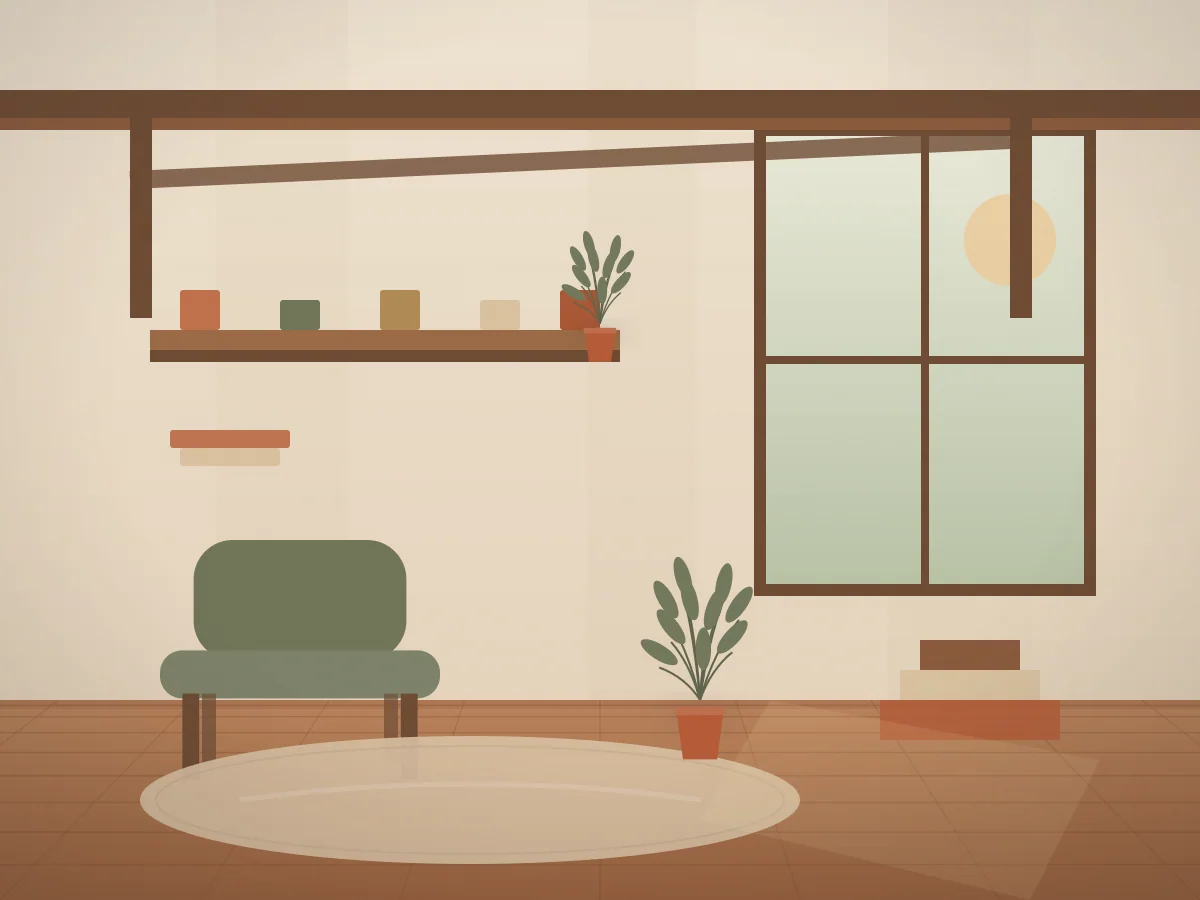
- Living rooms: beautiful with rugs, but seal against spills.
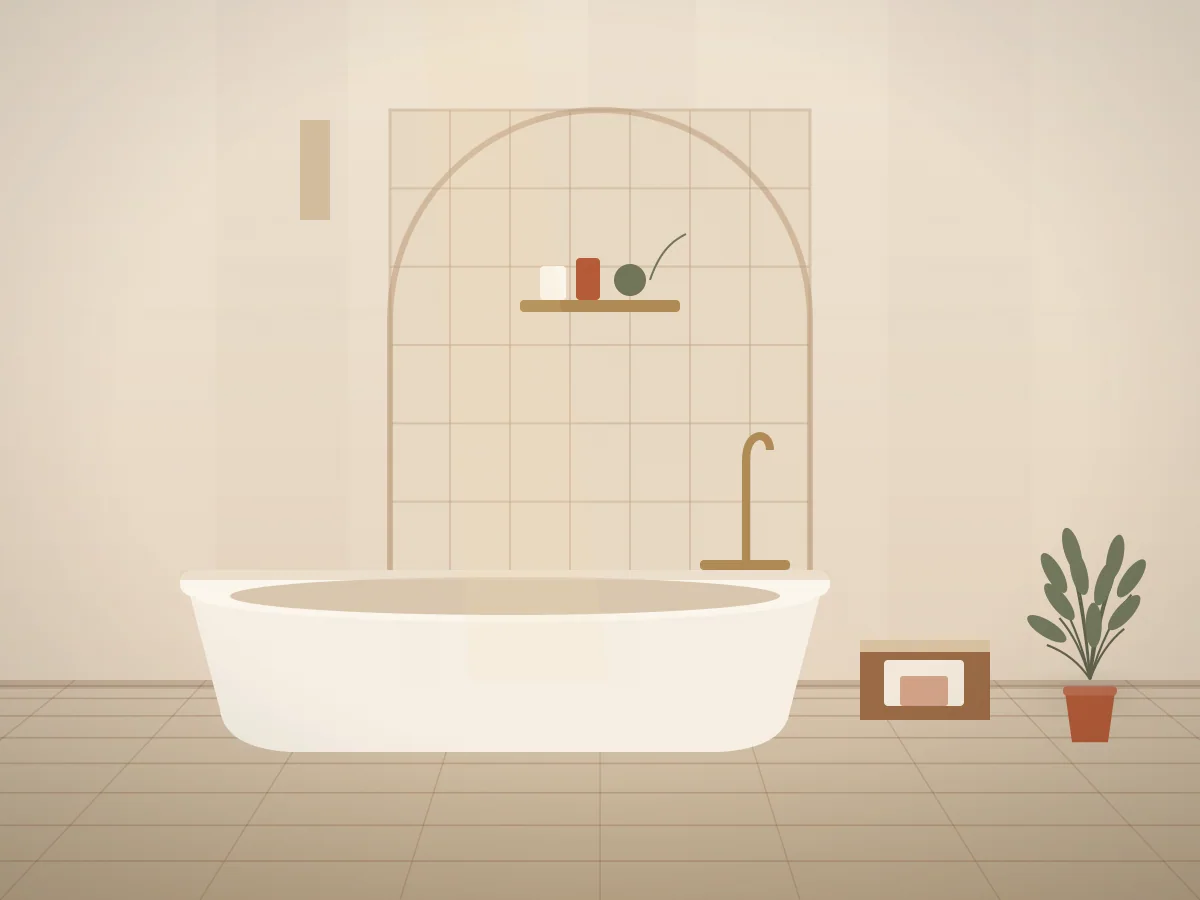
- Bathrooms: possible with correct sealing and slip-rated tiles, but porcelain is often safer.
- Bedrooms: charming in summer, cold in winter; pair with generous rugs or underfloor heating.
- Outdoors: only frost-rated tiles in sheltered areas.
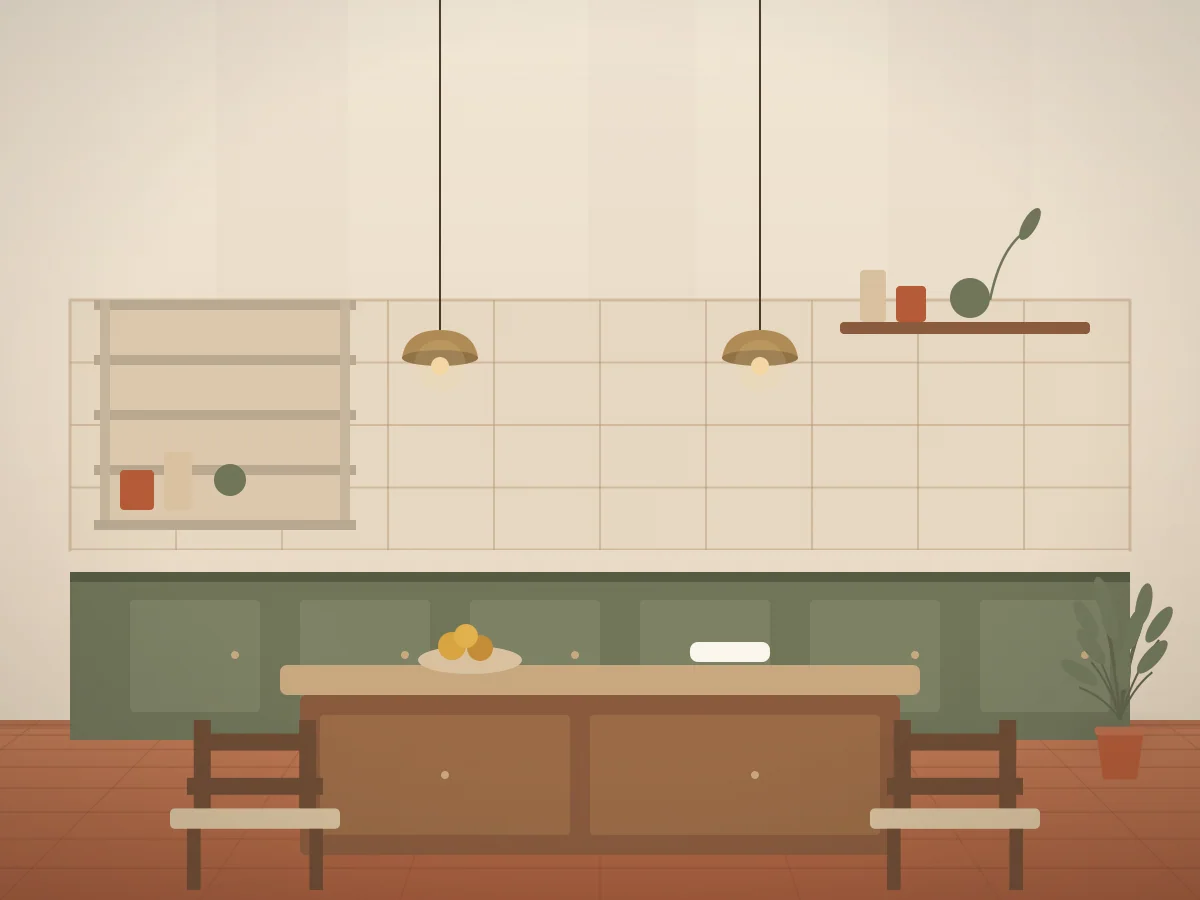
Terracotta is not a floor you install and forget. It is a floor you learn to live with, and that is precisely why it feels so good underfoot. If you are planning a kitchen to go with it, read our Mediterranean kitchen guide. For a bathroom, the Mediterranean bathroom renovation guide covers sealing, slip ratings and layout.