Spanish Courtyard Garden Ideas for Small Outdoor Spaces
Turn a modest patio into a shady, fragrant courtyard with the materials, planting and layout that define Spanish outdoor living.
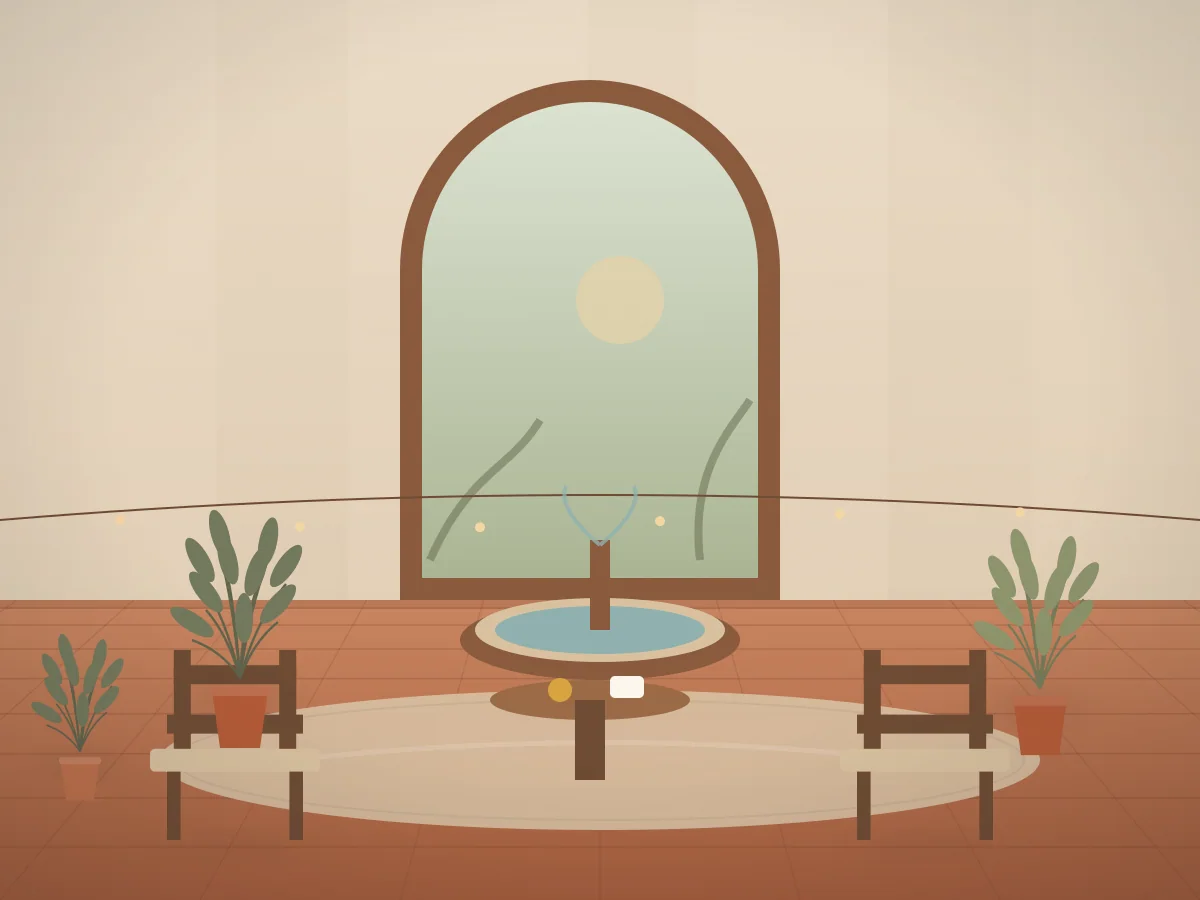
The Spanish courtyard is a lesson in doing more with less. A small, enclosed outdoor room can feel cooler, greener and more private than a large open garden, provided it is planned around shade, scent and a comfortable place to sit. Even a paved yard behind a terraced house can borrow the same principles.
Key takeaways
- Treat the courtyard as an outdoor room with clear zones for sitting, dining and planting.
- Create shade first; everything else becomes more usable once the sun is controlled.
- Choose drought-tolerant, fragrant plants suited to the light and wind exposure.
- Keep materials simple: stone, gravel, terracotta and warm timber.
Plan the microclimate
Before choosing furniture or plants, spend a day in the space and note where the sun falls at 10am, 2pm and 6pm. A courtyard facing south will be glorious in winter and fierce in summer; one facing north may need lighter colours and reflective surfaces to brighten it. Wind is the other factor: narrow gaps between buildings can accelerate breezes, so a pergola or a row of pots may be needed as a buffer.
Decide where you want to sit in the morning and where you want to eat in the evening. Those two positions should not compete for the same square metre. A small courtyard can hold a bistro table, two chairs, a bench and a water feature if each has a clear place.
Get the shade right
Pergola, awning or tree?
Shade is the difference between a courtyard you look at and one you use. A pergola with climbing plants is the most romantic option; a retractable awning is more practical in a changeable climate. A large parasol works if the base is heavy enough and the space is not too windy. Aim to shade at least half of the seating area by midday in summer.
If you plant a tree, choose a species that suits the available root space. An olive needs sun and excellent drainage; a bay or a small citrus can work in a pot. Keep the tree away from drains and foundations, and use a root barrier if the courtyard is tight.
Choose materials that feel cool underfoot
Cool underfoot, safe when wet
Stone, brick and terracotta all stay cooler than dark composite decking in direct sun. Use a mix of textures rather than one uniform surface: large stone slabs for the dining zone, gravel or smaller pavers around planting, and a timber deck for bare feet. Keep level changes shallow and make sure the fall directs water away from the house.
Permeable paving is worth considering if drainage is poor. Joints filled with sand or gravel allow rainwater to soak away and look more natural than sealed concrete. If you use loose gravel, choose a rounded aggregate that is comfortable to walk on and install a stabilising grid if you plan to move chairs across it.
Plant for scent, shade and resilience
| Plant | Position | Why it works | Care |
|---|---|---|---|
| Olive | Full sun | Silver leaves, Mediterranean form | Well-drained soil; little water once established |
| Lavender | Full sun | Scent and pollinator-friendly flowers | Prune after flowering; avoid wet feet |
| Rosemary | Full sun | Evergreen structure and culinary use | Sharply drained soil; tolerant of drought |
| Citrus (potted) | Sheltered sun | Fragrant blossom and fruit | Winter protection; regular feeding |
| Bay | Sun or part shade | Dense evergreen screen | Clip in late summer; keep watered in pots |
Group plants by water need rather than by colour. Pots dry out faster than borders, so choose larger containers where possible and mulch the surface. Terracotta pots are breathable and look right, but they lose moisture quickly; line them with a plastic inner pot if you are away often.
Add the sound of water
A small fountain or a wall-mounted spout adds movement and masks traffic noise. It does not need to be large. A shallow bowl with a gentle pump, or a stone trough with a spout, can transform the atmosphere. Keep the water moving to prevent mosquitoes, and check the pump regularly.
If a fountain is not practical, a still water bowl with a few stones and a floating plant can still attract birds and insects. Place it where you can see it from the main seating area, and keep it away from electrical sockets.
Furnish for long, slow evenings
Choose furniture that can stay outside: teak, acacia, powder-coated aluminium or synthetic rattan with a good warranty. Cushions should be stored in a waterproof box or brought inside overnight. A small bistro table for breakfast, a bench against the wall and two comfortable chairs are usually enough; resist the urge to fill every corner.
Add a rug that can handle the weather, or leave the paving bare and use a woven mat at the door. Outdoor lighting should be warm and low: string lights, a wall lantern or a few solar stake lights. Avoid bright white security lights as your main evening light.
Keep maintenance realistic
- Choose self-seeding annuals sparingly; they can become weeds in a small space.
- Install an irrigation timer if you travel or have many pots.
- Store cushions and lightweight furniture in winter.
- Sweep gravel and leaves regularly to prevent damp pockets.
- Check drainage before the rainy season, not after.
A courtyard does not need to be large to feel generous. Shade, scent and a comfortable chair will do more than an elaborate planting scheme. If you are renovating the house that opens onto it, our kitchen guide and terracotta flooring guide will help you carry the same materials outside.